2026 is the inaugural year of the 15th Five-Year Plan. Standing at the starting point of this new five-year period, the development task for the manufacturing sector has quietly taken on a new dimension…
The 15th Five-Year Plan clearly lists “accelerating the development of the circular economy” as a key task, requiring the “construction of a waste recycling system”. This marks that China’s manufacturing industry has entered a new stage of systematic and full-process green transformation.
For the vast number of manufacturing enterprises, this points to a clear direction: green development and intelligent transformation are no longer optional choices, but mandatory questions concerning long-term survival and core competitiveness. In this profound industrial transformation, the waste disposal link at the end of production is shifting from an easily overlooked “cost corner” to a key benchmark measuring the modernization level of a factory.
The top-level design of “building a waste recycling system” in the 15th Five-Year Plan, when implemented in the workshops of each factory, often exposes specific difficulties:
Many enterprises have achieved high automation in front-end production, but back-end waste disposal still relies on manual handling and disorderly stacking. This not only occupies valuable space and labor, but also causes serious waste of resources and management blind spots, forming an obvious “efficiency gap”.
Such a gap interrupts the enterprise’s production data chain at the end, making it impossible to accurately calculate material consumption and waste output, and restricting the improvement of overall operation performance. Therefore, modern factories need an intelligent system that can seamlessly connect with automated production lines, realize “instant generation and instant cleaning” of waste, and convert waste into traceable and measurable recyclable resources. This is not only a requirement for environmental compliance, but also an inherent need for manufacturing enterprises to improve cost control and tap potential profits.
Understanding the logic of this transformation from “burden” to “resource” is the core focus of Nantong Jiabao over the past 30 years. Our role is to build an intelligent bridge connecting efficient production and circular economy systems for enterprise customers in various industries.
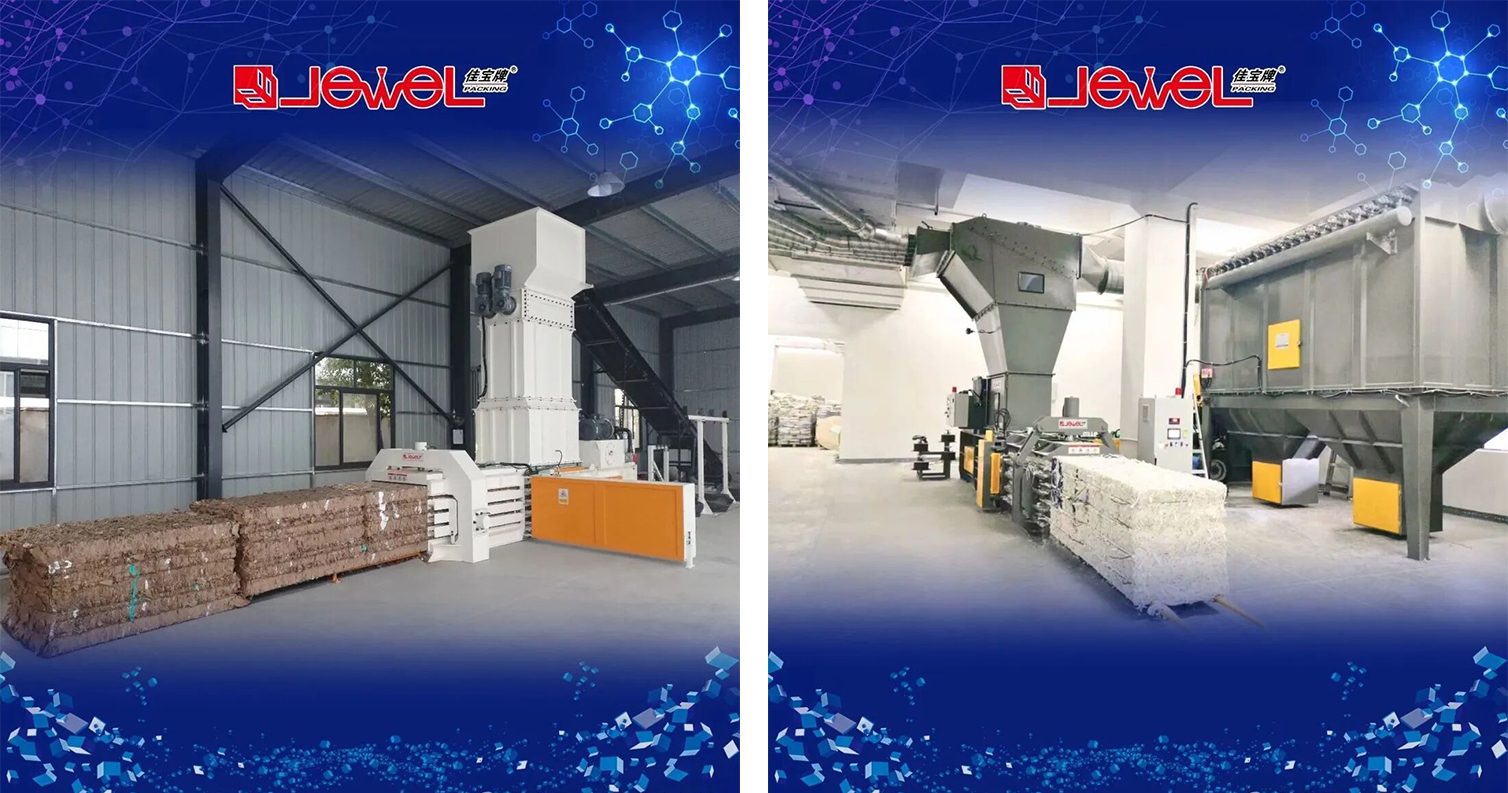
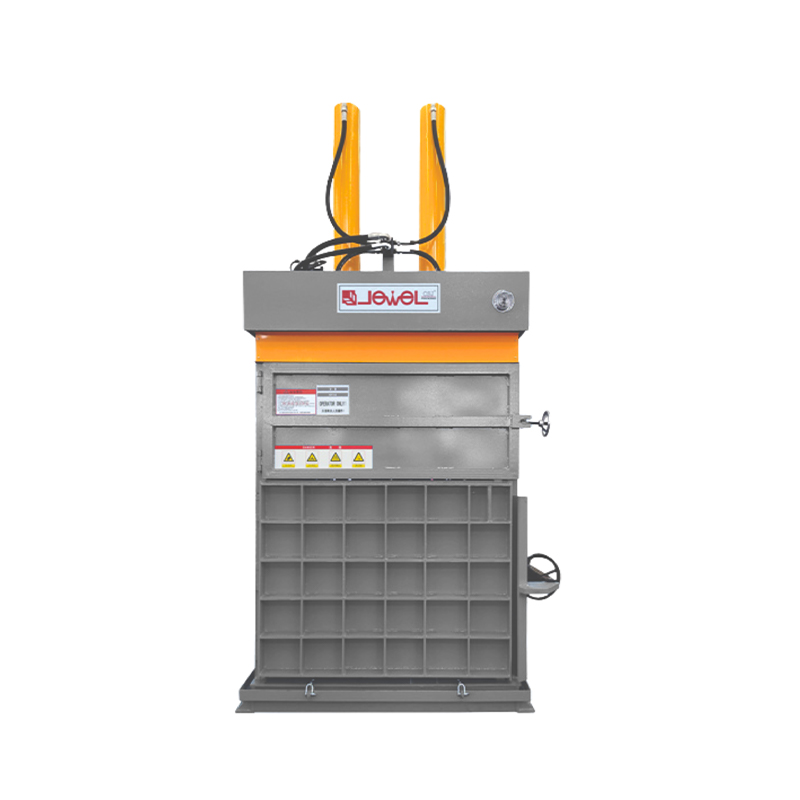
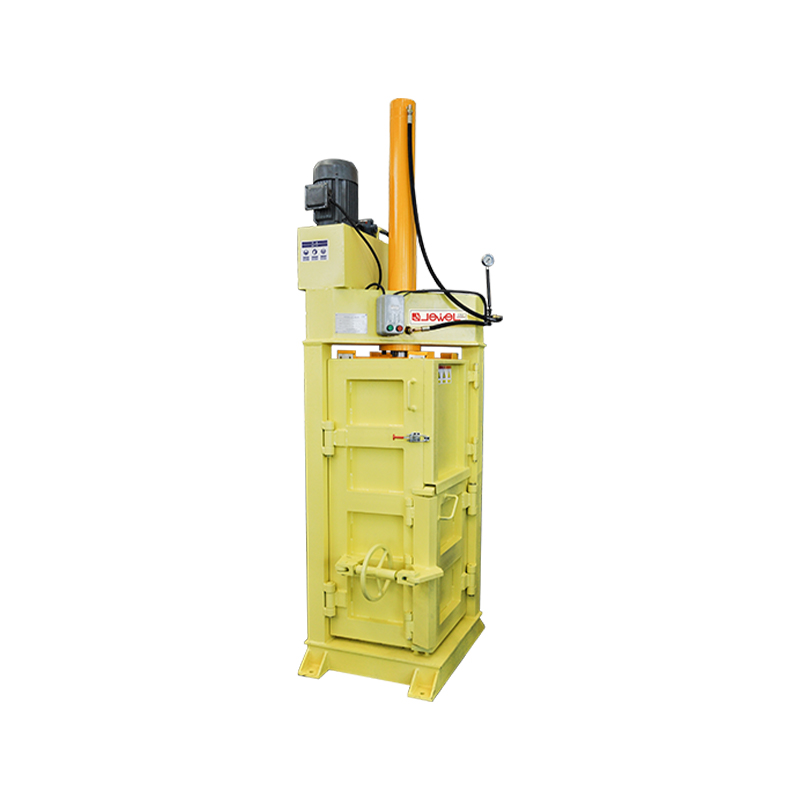
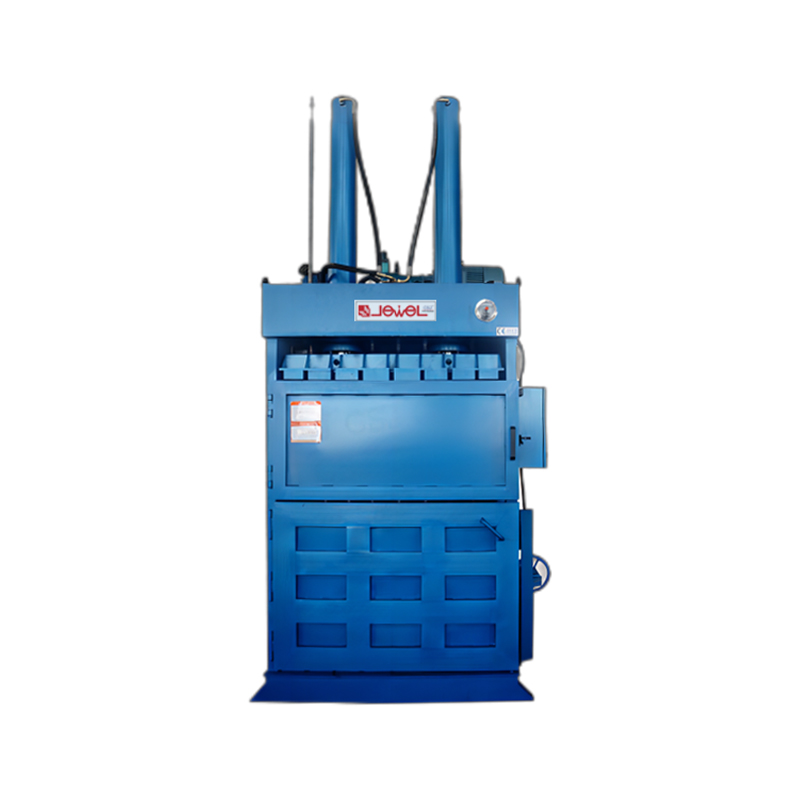
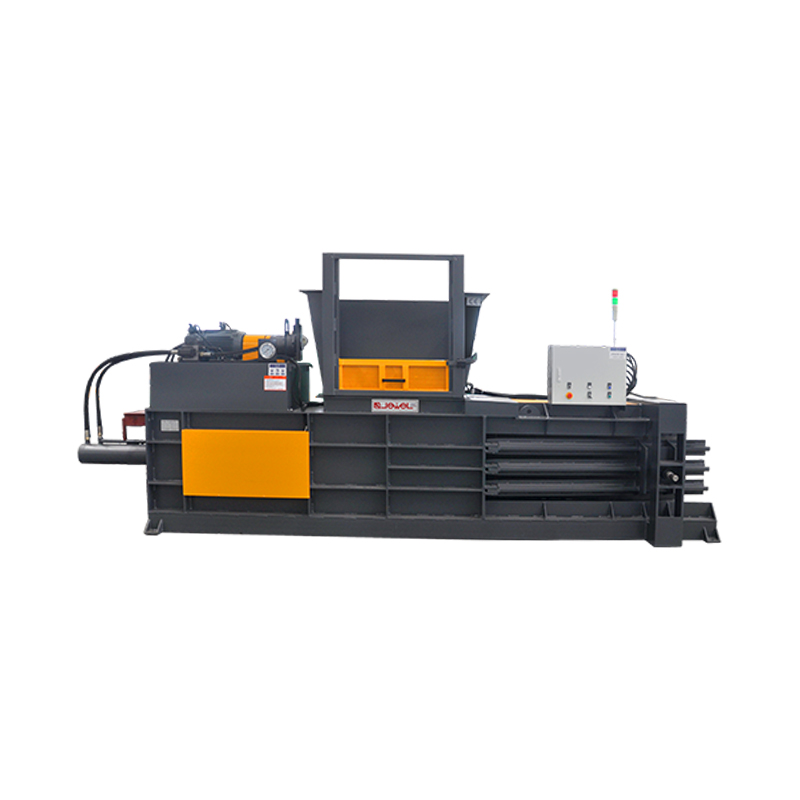
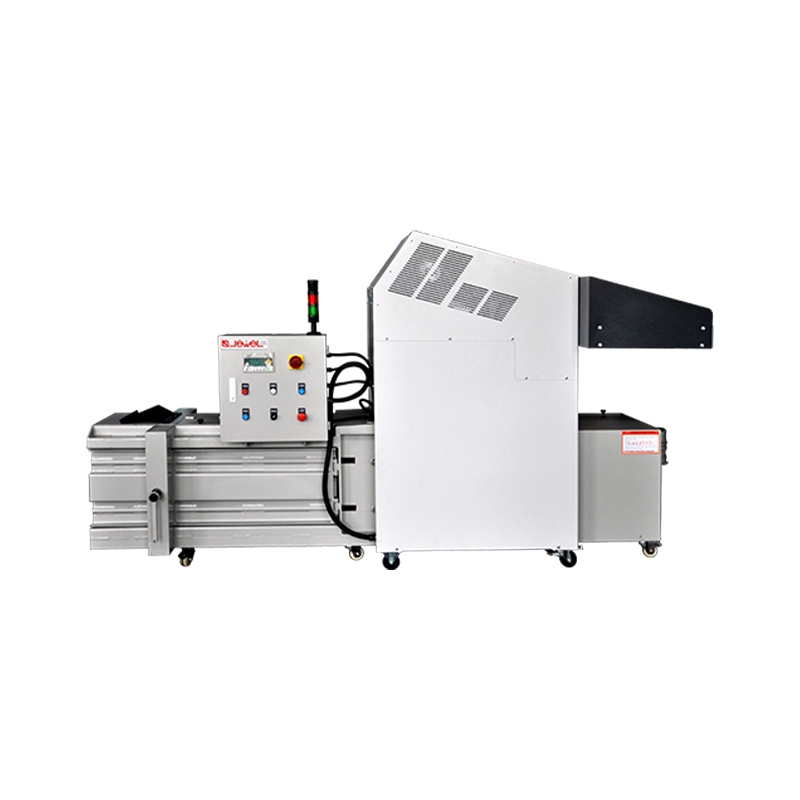
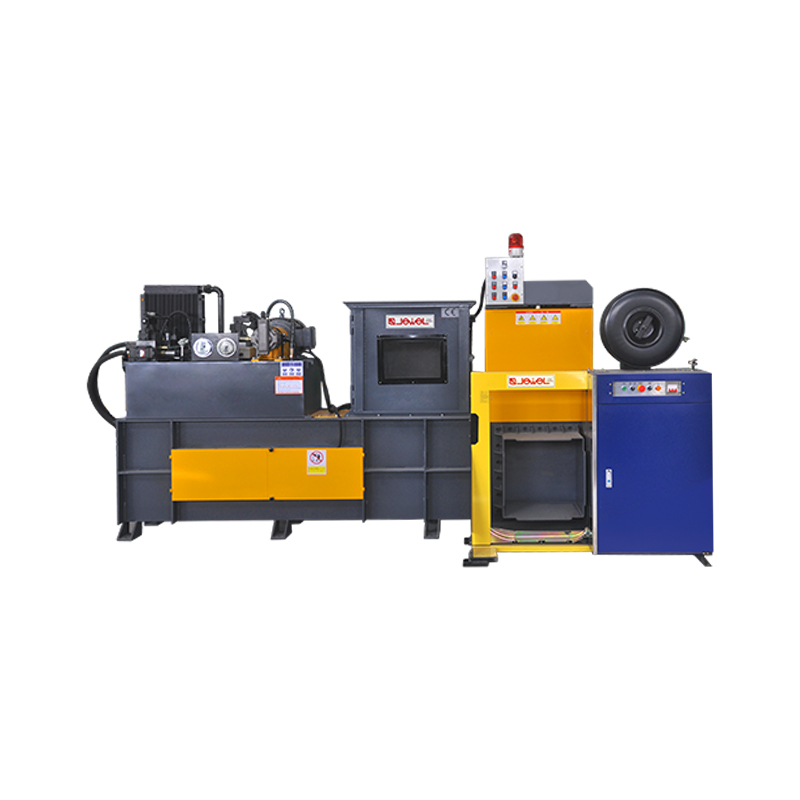
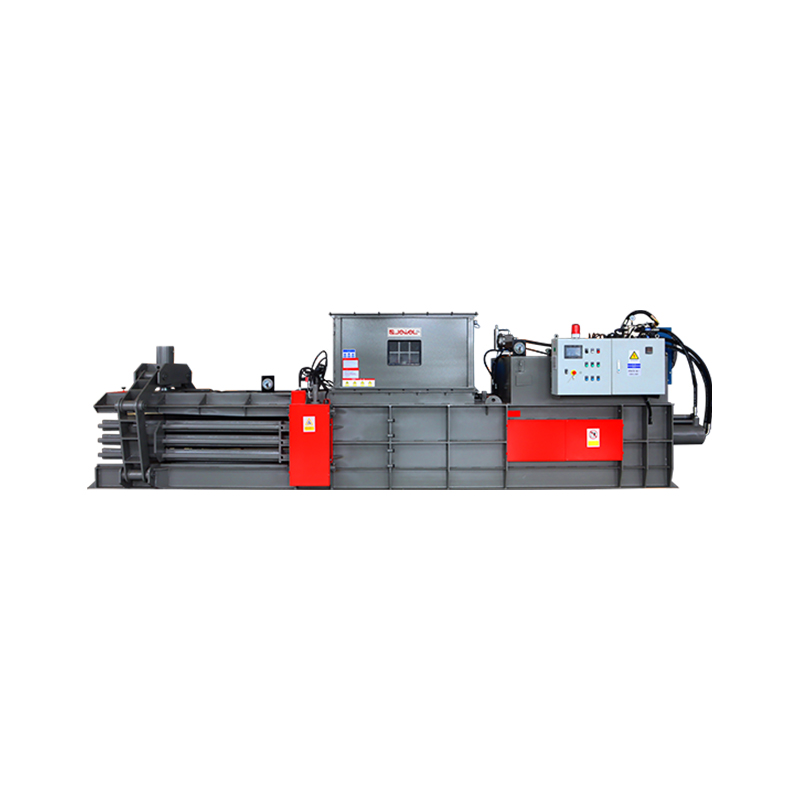
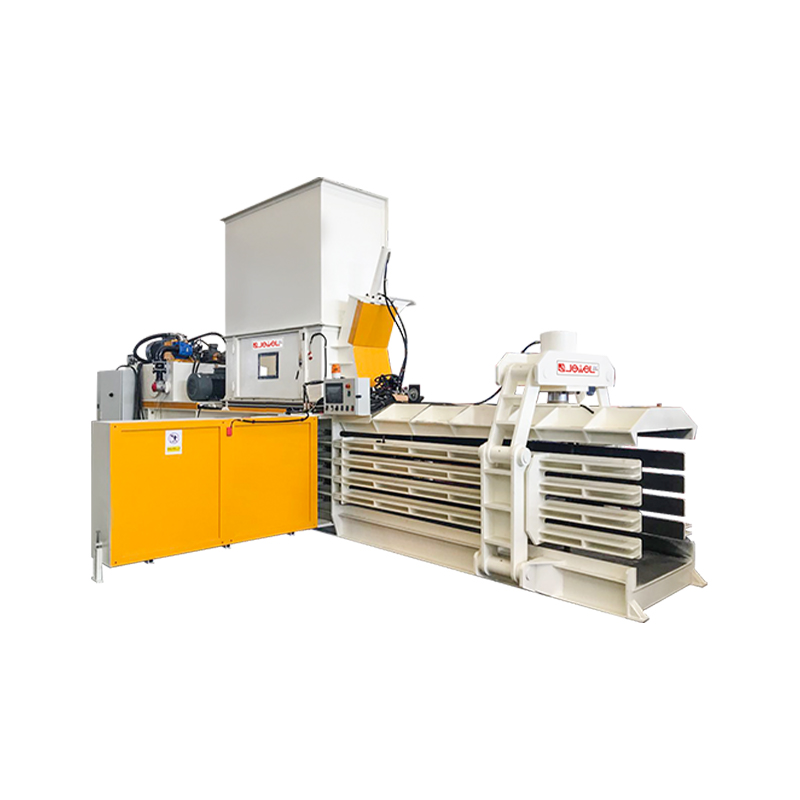
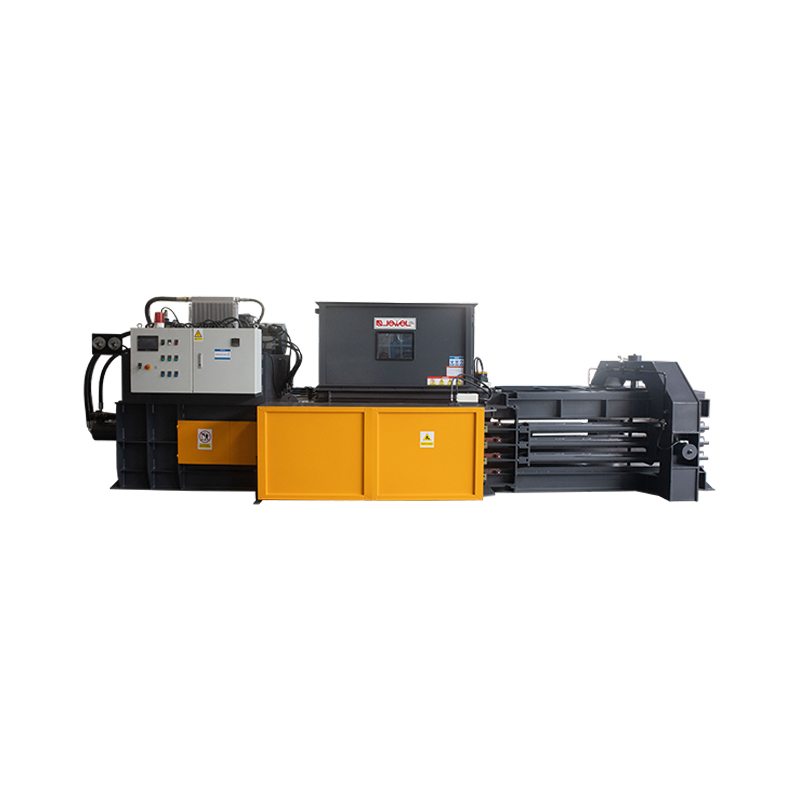
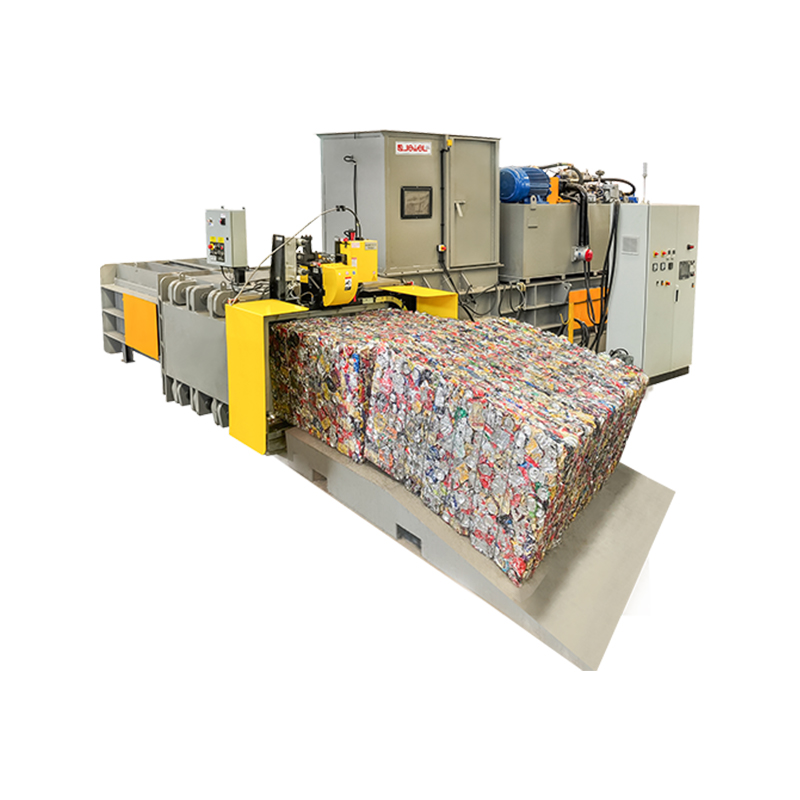
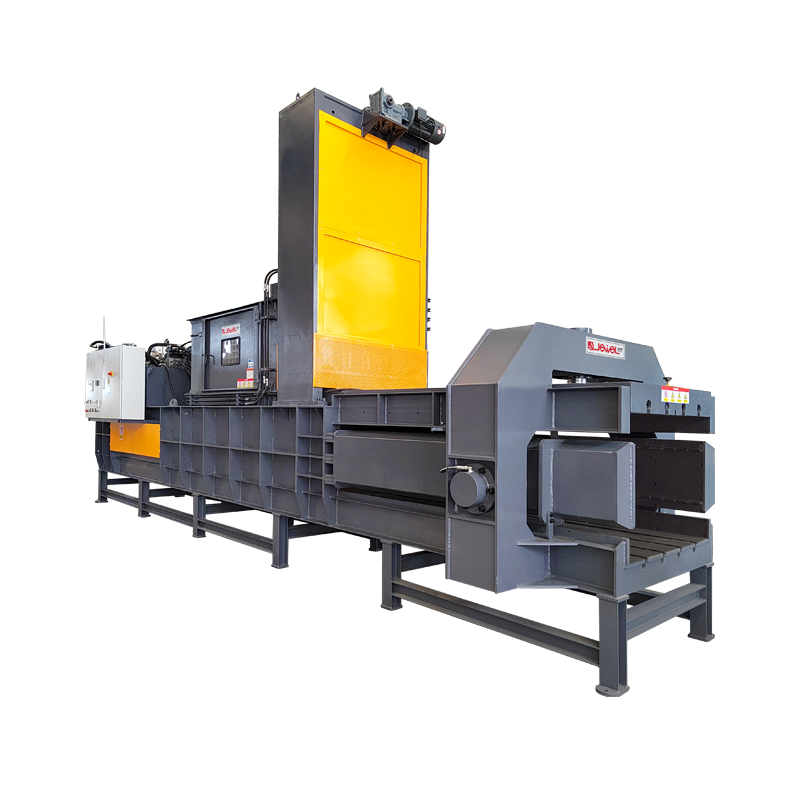
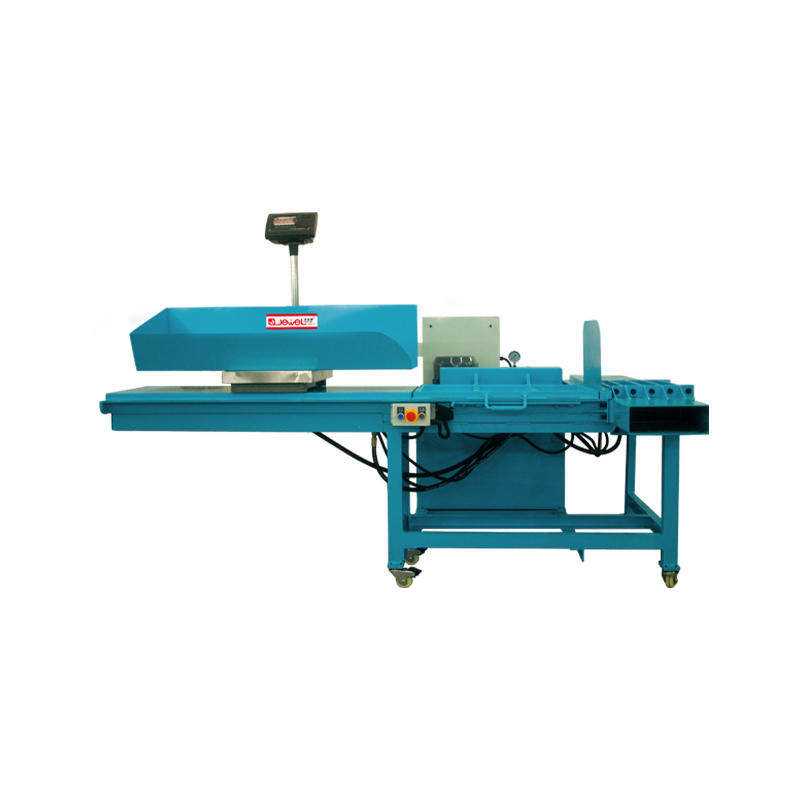
In the corrugated packaging industry, Nantong Jiabao is well aware that waste cardboard is produced at multiple machines, bulky and difficult to transport. Through a reasonable combination of various equipment and precise data calculation, we realize automatic conveying, collection, compression, baling, and dust removal of waste generated at each point. This unmanned and automatic operation mode directly improves the recycling value and transportation efficiency of waste, turning waste from “trouble” into manageable “assets”.
In the printing and papermaking industry, Nantong Jiabao provides not only equipment, but also overall environmental optimization schemes, including dust control and noise management. We have helped many large enterprises achieve fully enclosed waste circulation in the factory, significantly improving the workshop working environment, and providing key support for enterprises to pass stricter green factory assessments.
Nantong Jiabao provides customized systems deeply integrated into customers’ production processes. It makes waste disposal measurable, optimizable, and integrable, truly becoming the first stop of enterprise resource recycling, helping customers transform the circular economy blueprint of the 15th Five-Year Plan into stable daily practices that run continuously and create benefits in the workshop.
To act as a “connector” more solidly and agilely, Nantong Jiabao is making a key future-oriented investment – the full construction of the third factory. This is not simply scale expansion, but a systematic capability upgrade and response mode evolution.
After the new factory is put into operation, it will enhance our capabilities in complex system integration, intelligent algorithm debugging, and large-scale customized delivery. It will become an R&D and general assembly base dedicated to intelligent waste treatment systems, ensuring that each delivered system has higher reliability, intelligence, and interconnection characteristics.
In the future, when customers need to connect waste data to intelligent management systems, or hope to remotely monitor the waste status of the whole plant via mobile phones, we will have stronger engineering capabilities to quickly and steadily realize these demands.
The value of Nantong Jiabao stems from more than 30 years of deep cultivation in the industry. Our experience is not written in technical manuals, but comes from a profound understanding of the real pain points in the workshop. We continue to invest and build new bases, ultimately for one goal: to become a long-term partner who understands processes and is trustworthy for customers on the road to green intelligent manufacturing.
When customers plan new factories, our intelligent waste discharge system can be embedded as a standard module into the overall design; when customers carry out energy conservation and environmental protection diagnosis, our system can provide accurate waste data support; when customers pursue comprehensive benefits, our automated solutions can contribute clear return on investment.
The blueprint of the 15th Five-Year Plan has been drawn. Nantong Jiabao believes that the most solid start is to stand side by side with customers from all walks of life, and transform the grand vision of “circular economy” into vivid practices that run orderly and create continuous value in the workshop every day.